
How Agile Is Transforming Traditional Industries Beyond Tech
Agile is no longer limited to software. Discover how manufacturing, healthcare, education, and retail are using Agile to drive innovation, adaptability, and faster results.
Beyond Tech: How Agile Is Quietly Transforming Traditional Industries
Agile is no longer a software story.
What began in engineering teams has steadily moved into factory floors, hospital corridors, classrooms, and retail supply chains. This shift isn’t driven by trends or frameworks—it’s driven by necessity. The world has become too fast, too unpredictable, and too customer-driven for traditional models to keep up.
Across industries, one truth is becoming clear:
rigid systems cannot survive in dynamic environments.
🚗 Manufacturing: When Efficiency Meets Adaptability
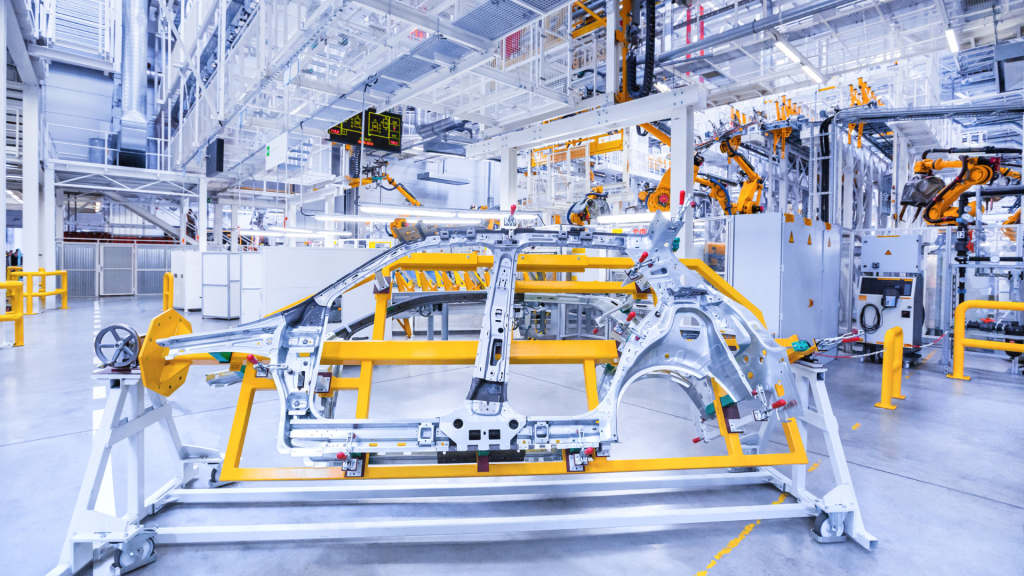
Manufacturing has long been built on precision and predictability. Yet companies like Toyota challenged this decades ago.
The Toyota Production System introduced concepts like Just-in-Time production and continuous improvement (Kaizen), creating systems that could adapt rather than just execute (Toyota Production System: https://global.toyota/en/company/vision-and-philosophy/production-system/).
The real shift wasn’t process—it was mindset. Decision-making moved closer to the work. Employees were empowered to stop production lines and fix problems in real time.
This wasn’t just efficiency. It was early Agile thinking in action.
Healthcare: From Processes to Patient-Centric Systems
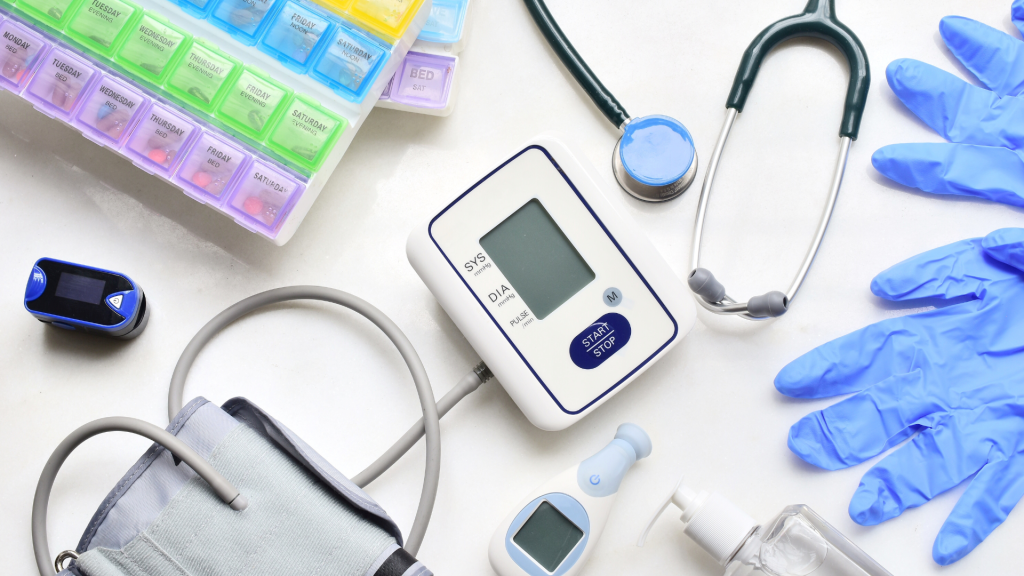
Healthcare operates in one of the most complex environments imaginable. High stakes, constant change, and interconnected systems make rigid planning ineffective.
Agile is helping organizations rethink care delivery.
Hospitals are shifting focus from isolated functions to the entire patient journey. Cross-functional teams—doctors, nurses, administrators, and IT specialists—collaborate to solve real problems (Agile in healthcare: https://www.ncbi.nlm.nih.gov/pmc/articles/PMC6502276/).
Instead of large, risky transformations, teams adopt iterative approaches—testing, learning, and improving continuously.
The outcome is not just operational efficiency—it’s better patient care.
Education: Rethinking How Learning Happens

In education, Agile isn’t about speed—it’s about relevance.
Traditional systems were built for standardization. But today’s world demands adaptability and continuous learning.
Agile classrooms shift focus from teaching to learning. Students actively participate, set goals, collaborate, and reflect on their progress (Agile learning: https://er.educause.edu/articles/2018/7/agile-teaching-and-learning).
Teachers become facilitators rather than instructors.
Frequent feedback replaces one-time evaluation, creating an environment where learning is continuous and evolving.
Retail: Competing in Real Time

Retail is where Agile’s impact is most visible.
Customer preferences change overnight. Trends emerge and disappear within weeks. Supply chains face constant disruption.
Retailers are responding with adaptive supply chains, powered by data, predictive insights, and collaboration HBR Agile Supply Chain.
At the same time, rapid experimentation has become essential. Products, campaigns, and experiences are tested quickly and refined based on feedback.
Retail success is no longer about predicting demand perfectly.
It’s about responding faster than competitors.
The Pattern Beneath the Change
Across industries, a common shift is emerging.
Agile is not being adopted, it is emerging as a response to complexity.
Organizations are moving:
- From control → to responsiveness
- From silos → to collaboration
- From planning → to learning
The common thread is clear:
value comes from adaptability, not perfection.
What This Means for Leaders
The transformation is not just operational, it’s behavioral.
Leaders can no longer rely on control and predictability. Instead, they must:
- Create environments where teams can respond quickly
- Enable decentralized decision-making
- Build systems that continuously learn and improve
Leadership is shifting from directing work to enabling outcomes.
Final Thought
Agile is often misunderstood as a software practice, but what we are witnessing today is far broader.
Agile is becoming a universal response to complexity.
Whether in manufacturing, healthcare, education, or retail, the organizations that succeed are not the ones that plan better.
They are the ones that adapt faster.
🔗 References:
- Toyota Production System: https://global.toyota/en/company/vision-and-philosophy/production-system/
- Agile in Healthcare (NIH): https://www.ncbi.nlm.nih.gov/pmc/articles/PMC6502276/
- Agile Teaching & Learning (EDUCAUSE): https://er.educause.edu/articles/2018/7/agile-teaching-and-learning
- Agile Supply Chain (Harvard Business Review): https://hbr.org/2016/05/the-agile-supply-chain
Leave a Reply