
Rethinking performance beyond metrics, velocity, and delivery
In today’s fast-paced Agile environments, traditional Key Performance Indicators (KPIs) often fall short of capturing what truly drives team performance. Metrics like velocity and throughput provide visibility into output, but they fail to reveal the underlying conditions that enable teams to collaborate, innovate, and improve.
One of the most critical yet often overlooked factors is psychological safety, the belief that individuals can speak up with ideas, questions, concerns, or mistakes without fear of negative consequences. Increasingly, organizations are recognizing that psychological safety is not just a cultural element, but a leading indicator of team effectiveness.
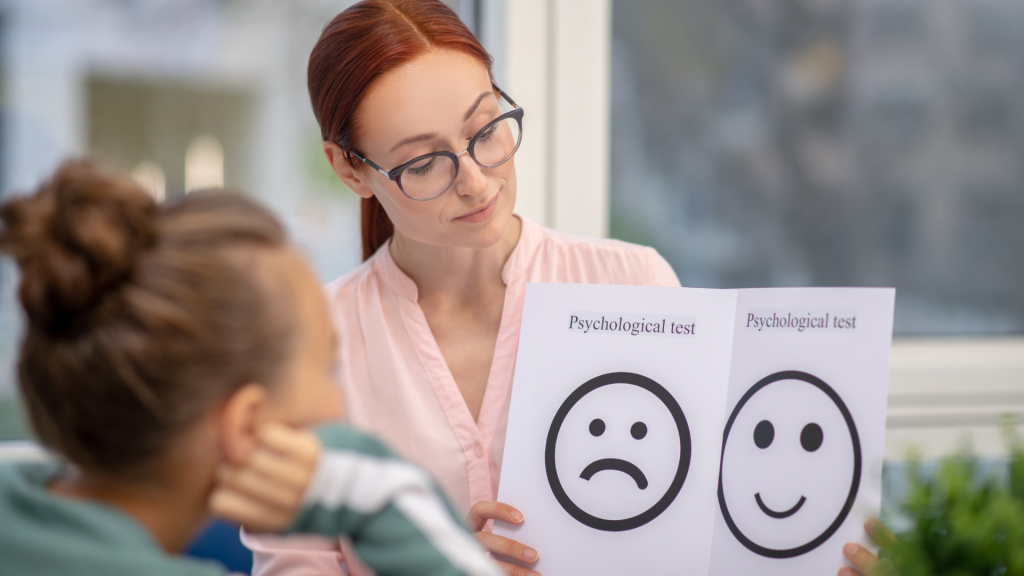
Understanding Psychological Safety
Psychological safety, a concept introduced by Amy Edmondson, refers to a shared belief that the team is safe for interpersonal risk-taking. It creates an environment where individuals feel comfortable expressing themselves openly and authentically.
In practice, psychological safety enables team members to:
- Share innovative ideas without hesitation
- Raise concerns before they become risks
- Admit mistakes and learn from them
- Engage in open and constructive dialogue
Without it, teams may continue to deliver work—but they stop learning, adapting, and improving.
Why Psychological Safety Matters in Agile
Agile frameworks are built on assumptions that only hold true in psychologically safe environments. Practices such as retrospectives, stand-ups, and collaborative planning rely on openness, honesty, and active participation.
When psychological safety is present, teams collaborate more effectively, challenge ideas constructively, and continuously improve their ways of working. Innovation increases because individuals feel encouraged to experiment and take calculated risks. Problems are surfaced earlier, enabling faster resolution.
In contrast, when safety is lacking, Agile practices become mechanical. Teams go through the motions, but avoid difficult conversations. Over time, this limits both performance and growth.
Psychological Safety as a KPI
Traditionally, KPIs focus on outputs—features delivered, timelines met, or efficiency gains. However, these metrics often reflect outcomes rather than the conditions that produce them.
Psychological safety offers a different perspective. As a leading indicator, it provides insight into:
- How quickly teams surface risks
- How openly they challenge assumptions
- How effectively they learn from experience
Organizations that measure psychological safety gain visibility into team health before issues impact delivery. This makes it a powerful complement to traditional performance metrics.
Measuring Psychological Safety
While psychological safety is inherently qualitative, it can be assessed through a combination of structured and observational approaches.
Surveys and questionnaires remain one of the most effective tools. Instruments such as Edmondson’s Psychological Safety Scale help capture team perceptions over time. Regular pulse surveys can reveal trends and highlight areas for improvement.
Observations during team interactions also provide valuable insights. Patterns such as who speaks, who remains silent, and how disagreements are handled can indicate the level of safety within the team.
Interviews and one-on-one conversations allow for deeper exploration of individual experiences, while anonymous feedback channels create space for honest input without fear of repercussions.
Retrospectives can further reinforce measurement by explicitly addressing psychological safety. Questions about comfort in sharing opinions or raising concerns help teams reflect on their environment and identify improvement opportunities.
Example Survey Questions
Common survey questions used to assess psychological safety include:
- If I make a mistake on this team, it is often held against me
- Members of this team are able to bring up problems and tough issues
- It is safe to take a risk on this team
- It is easy to ask other members of this team for help
These questions are typically measured on a Likert scale, allowing organizations to track trends and identify changes over time.
Real-Life Examples
In a software development team, the introduction of open feedback sessions created a noticeable shift in team dynamics. As individuals became more comfortable sharing ideas without judgment, innovation increased and delivery delays decreased. The team began to surface risks earlier and collaborate more effectively.
A marketing team experienced a similar transformation by encouraging experimentation and reframing failure as a learning opportunity. This led to improved campaign performance and more creative problem-solving.
In healthcare, studies have shown that teams with higher levels of psychological safety report fewer errors and better patient outcomes. Open communication enables early identification of issues, reducing the likelihood of escalation and improving overall care quality.
Conclusion: Fostering Psychological Safety
Psychological safety is not simply a cultural aspiration—it is a critical enabler of high-performing Agile teams. When teams feel safe, they collaborate more effectively, innovate more freely, and adapt more quickly to change.
Leaders play a central role in creating this environment. By modeling openness, encouraging dialogue, and responding constructively to mistakes, they set the tone for team behavior.
Organizations that intentionally measure and nurture psychological safety gain a significant advantage. They move beyond managing output to enabling continuous learning and improvement—ultimately driving better outcomes in an increasingly complex and dynamic environment.
Leave a Reply