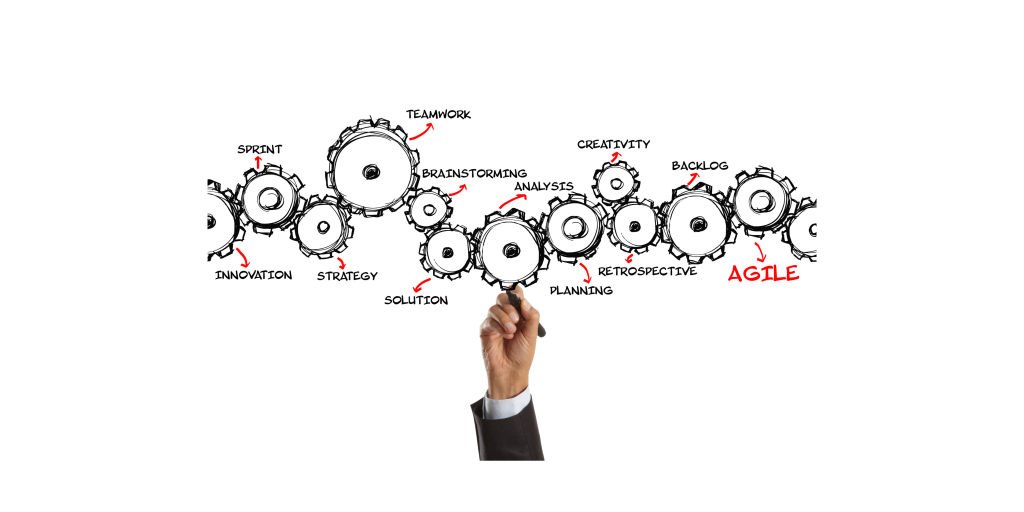
Agile methodologies are often hailed as the ultimate solution for improving team performance, increasing efficiency, and creating a culture of continuous learning. Yet, despite its popularity, many organizations still struggle to achieve true agility. In fact, some may even fail entirely to realize the promised benefits of Agile practices. But why does this happen? Why do some teams succeed with Agile while others seem to hit roadblocks at every turn?
The Myth of the Quick Fix
First, it’s important to address the pervasive myth: Agile is not a quick fix. Some organizations expect an immediate transformation, thinking that simply adopting a set of tools or frameworks will lead to success. Unfortunately, Agile is a journey, not a destination. True agility requires more than just implementing processes like Scrum, Kanban, or XP. It demands a shift in mindset, behaviors, and culture.
Barrier 1: Misunderstanding of Agile Principles
At the heart of Agile lies a set of core values and principles. However, many organizations focus too much on the frameworks (Scrum, Kanban, etc.) and not enough on the values that support them. A team can follow Scrum to the letter, but if they don’t embrace the underlying principles like collaboration, flexibility, and customer-centricity, they may fail to see the transformation they were hoping for.
Without an understanding of why certain practices are in place (like daily standups or retrospectives), it becomes easy to treat these practices as tasks to be checked off a list, rather than integral aspects of fostering continuous improvement.
Barrier 2: Organizational Resistance to Change
Agile is often misunderstood as a “team-level” solution when, in reality, it is an enterprise-wide mindset shift. The success of Agile practices relies on an entire organization’s commitment to agility. However, many organizations fail to address the systemic resistance to change that exists at the leadership and middle management levels.
For Agile to thrive, leadership must model agility—not just in processes, but in behaviors. Top-down resistance can significantly limit Agile’s effectiveness. Leadership may feel that Agile threatens their traditional command-and-control structure, which can cause pushback against new ways of working. Without strong leadership buy-in and alignment, the transition to Agile becomes fragmented, and teams may struggle to fully embrace the Agile mindset.
Barrier 3: Lack of Real Psychological Safety
Psychological safety is the foundation of any high-performing Agile team. Without it, teams may be unwilling to speak up, share ideas, or address issues. Ironically, many Agile environments fail to create this safe space because the culture of blame and fear is often ingrained in traditional business practices.
In an environment where team members fear being judged or reprimanded for mistakes, the retrospective becomes a mere formality rather than a powerful tool for team growth. Real improvement is only possible when people feel comfortable with failure and can discuss issues openly, knowing they won’t face backlash.
Barrier 4: Inconsistent Agile Training
It’s easy to believe that a few weeks of training or an online course will instantly make someone an effective Agile practitioner. However, Agile is complex and requires ongoing learning. Too often, organizations invest in initial training but fail to continue the development of their team members. Inconsistent training can lead to misunderstandings of key concepts like velocity, backlog management, or prioritization.
Effective training should be hands-on, interactive, and continuous. It should involve real-time coaching, mentorship, and feedback loops. When training is seen as a one-time event, Agile practices often become shallow and disconnected from the organization’s daily reality.
Barrier 5: The “Hybrid” Approach to Agile
One of the most common barriers to true agility is the hybridization of Agile with traditional methodologies. Organizations sometimes try to mix Agile with their existing waterfall structures, creating a “best of both worlds” approach. While some hybrid models may work in the short term, they rarely achieve true agility.
Agile isn’t meant to be an add-on; it’s a comprehensive mindset shift that challenges traditional project management practices. When teams try to integrate Agile alongside waterfall, it often leads to confusion, frustration, and poor execution. True Agile demands an open, flexible approach that is willing to leave behind old habits and embrace new ways of delivering value.
Barrier 6: The Focus on Tools Over Mindset
Another hidden barrier to agility is the overemphasis on tools. Many organizations focus on using the latest Agile software or project management tools (like Jira, Trello, or Asana) in the hopes that these will “automate” their transformation. While tools can certainly help, they cannot replace the mindset shift required for agility.
Agile is as much about mindset as it is about tools. Relying too heavily on tools without addressing the human element—communication, collaboration, and continuous learning—can lead to superficial changes. Tools are meant to support Agile practices, not define them.
Barrier 7: Ignoring the Product and Customer
Agile is designed to deliver customer value quickly and iteratively. However, many organizations still fall into the trap of focusing too much on internal processes or team productivity rather than the customer. This is particularly true in environments where internal metrics such as speed or output are prioritized over customer satisfaction.
True agility requires organizations to constantly assess the impact their work is having on their customers. Teams must regularly validate assumptions, pivot when necessary, and ensure that their efforts are aligned with the customer’s needs. Focusing only on the “how” (the processes) and neglecting the “why” (the customer) leads to disconnected, ineffective work.
Breaking Down the Barriers: Moving Toward True Agility
To achieve true agility, organizations must recognize that these barriers are not isolated problems—they are interconnected and require a holistic approach to overcome.
- Empower leadership to model Agile behaviors and support teams throughout the transformation.
- Invest in ongoing training that emphasizes both the technical and human aspects of Agile.
- Foster psychological safety to allow for honest reflection and growth.
- Commit to Agile principles over frameworks and tools.
- Put customer value at the core of all decisions, ensuring that every iteration moves you closer to solving real problems.
Ultimately, true agility is not just about adopting a set of practices or tools; it’s about embracing a new way of thinking, where change is continuous, collaboration is central, and the focus remains on delivering value.
Final Thoughts
Decoding Agile failure is not about pointing fingers or laying blame—it’s about understanding the underlying barriers that prevent teams from reaching their full potential. Once these barriers are identified, organizations can begin to dismantle the obstacles and embrace the full benefits of Agile methodologies. By doing so, they can foster an environment where innovation, collaboration, and customer-centricity thrive, leading to not just success but true agility.
Leave a Reply